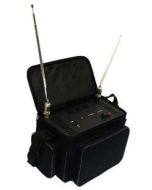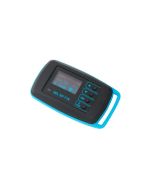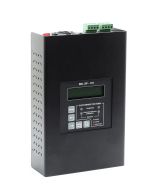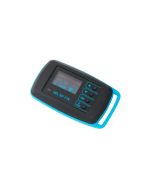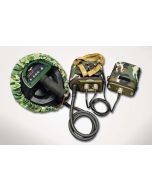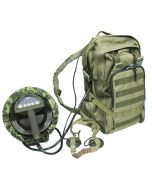
Double probing frequency non linear junction detector
Main competitive advantages:
•Double probing frequency operation mode gives significant advantages over single frequency NLJD since it is much better to detect small-sized and high-frequency semiconductor objects at high •frequencies whereas the use of low frequencies benefits from improved detection in the wet ground and concrete walls;
•It is possible to operate in one of the frequency ranges and in both of them simultaneously;
•An embedded parabolic antenna with high gain (20 dB at 3600 MHz) enables highly precise detection of semiconductor components from a long distance (up to 10 m);
•Laser pinpointing for a space selective object localization;
•Wide power control range, automatic and manual modes of probing signal level adjustment;
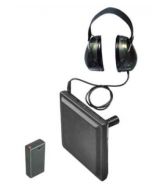
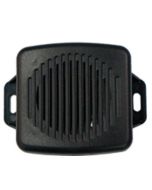
•Possibility to listen to the envelope detector output as well as to the received signal level via a built-in loudspeaker and wireless head phones to evaluate parametric impacts (e.g. knocking) on the suspicious object.
Double probing frequency non-linear junction detector
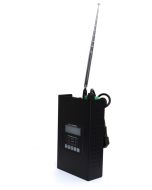
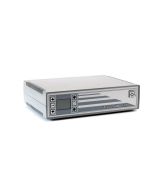
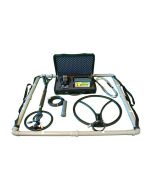
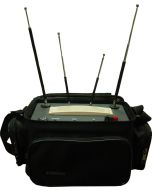
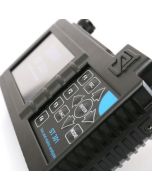
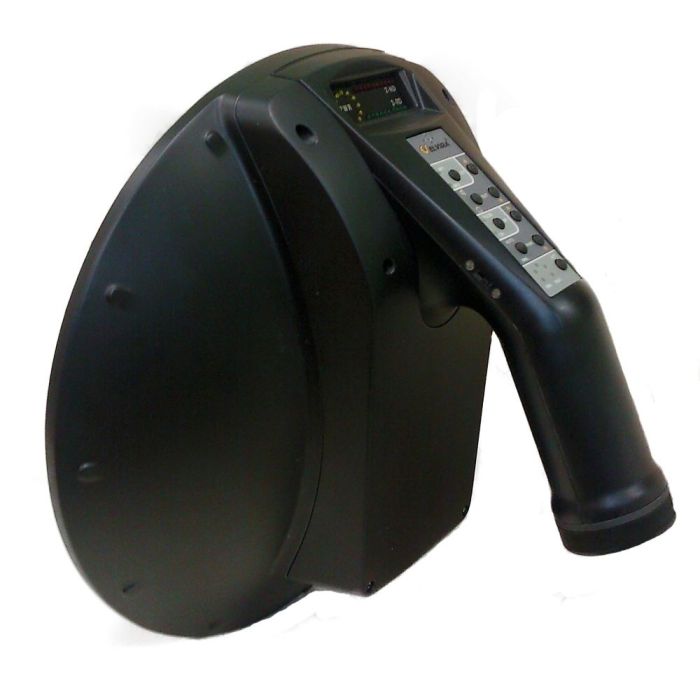
The non-linear junction detector LORNET-0836 is the indispensable tool for quick and reliable detection of devices containing semiconductor components. It can be used for counter-surveillance search works in premises (covert transmitters identification), as well as for location of explosive devices outdoors. The DPF (double probing frequency) technology with a patent pending antenna system places it truly apart from the competition.
Main competitive advantages:
•Double probing frequency operation mode gives significant advantages over single frequency NLJD since it is much better to detect small-sized and high-frequency semiconductor objects at high •frequencies whereas the use of low frequencies benefits from improved detection in the wet ground and concrete walls;
•It is possible to operate in one of the frequency ranges and in both of them simultaneously;
•An embedded parabolic antenna with high gain (20 dB at 3600 MHz) enables highly precise detection of semiconductor components from a long distance (up to 10 m);
•Laser pinpointing for a space selective object localization;
•Wide power control range, automatic and manual modes of probing signal level adjustment;
•Possibility to listen to the envelope detector output as well as to the received signal level via a built-in loudspeaker and wireless head phones to evaluate parametric impacts (e.g. knocking) on the suspicious object.
|
Technical characteristics: |
|
|
Type of probing signal |
pulse |
|
First probing signal frequency |
789,5 ... 791,5 MHz |
|
Second probing signal frequency |
3581,5 ... 3607,5 MHz |
|
Duty cycle |
0,3 % and 5% |
|
Transmitters peak power in each frequency range |
40 W / 20 W |
|
Receivers sensitivity |
<-110 dBm |
|
Operation time with changeable battery |
>3.0 / 1,5 h |
|
Dimensions |
305 mm x 305 mm x 280 mm |
|
Weight |
<1,6 kg |